DEAN CLANCY
Product Designer specializing in cross-platform ecosystems; turning fragmented touchpoints into singular, cohesive experiences across automotive, mobility, product, & emerging tech.

// ABØUT
I OPERATE AT THE INTERSECTION OF HMI, CONNECTED VEHICLE,
& AI-AUGMENTED DESIGN - BUILDING SYSTEMS THAT PERFORM IN THE REAL WORLD, AT SCALE, UNDER CONSTRAINT.
Throughout my career, I have established 10+ years of experience crafting quality products and services for Fortune 500 companies, creative and R&D agencies, state and federal organizations, and numerous startups across industries of all shapes and sizes.
If you are here seeking work inquiries, freelance availability, or want to say hello, please feel free to connect with me on LinkedIn or reach out by email, I’d love to hear from you.
// PRØWESS
// Clients
// PRØCESS
º WORKFLOW
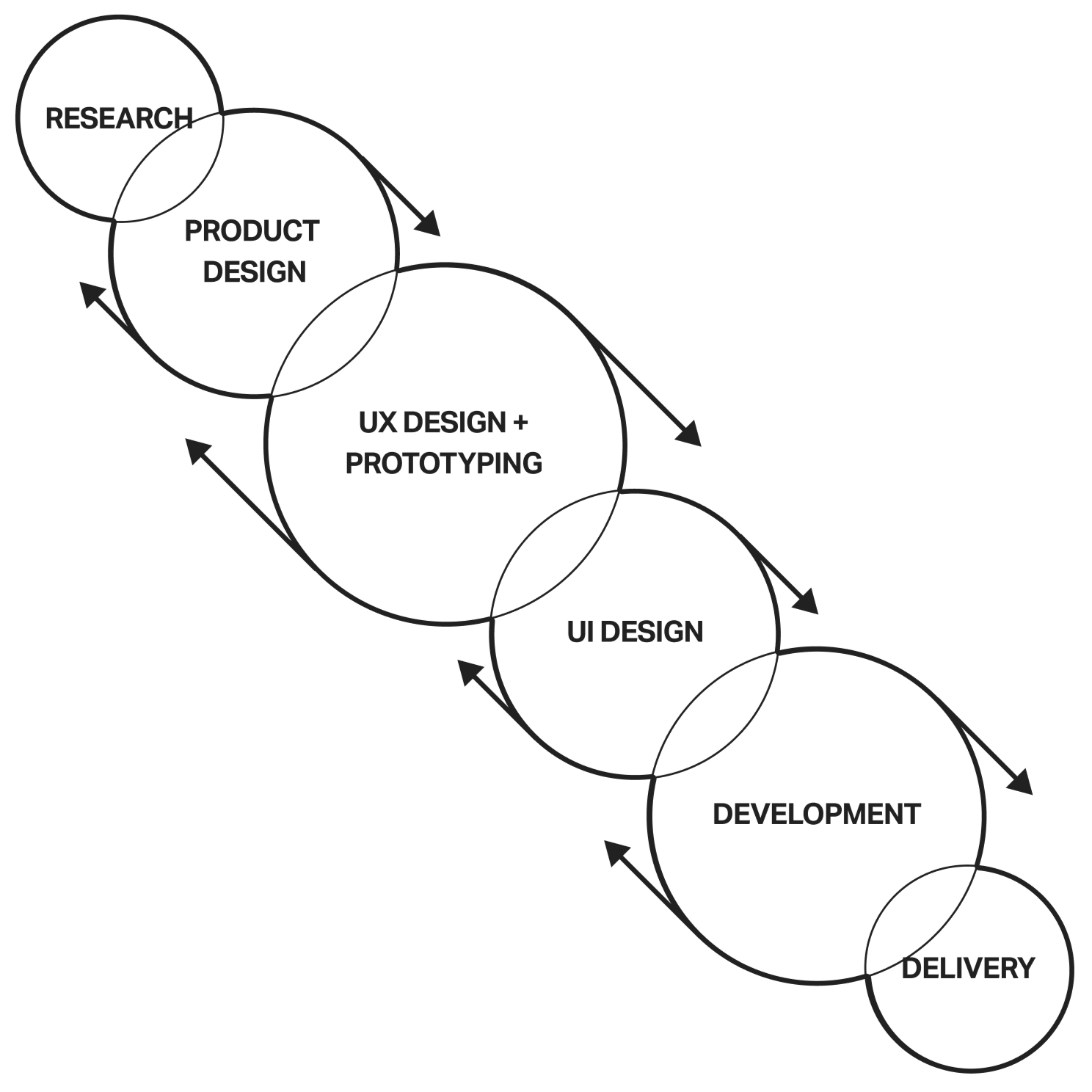
Design at this scale is inherently iterative — and intentionally so. I operate inside an Agile framework adapted for multi-surface product environments: short sprint cycles, continuous stakeholder alignment, and design decisions validated in parallel across vehicle, mobile, and web rather than sequentially. Agile here isn't a process poster — it's how NDA-level work ships on deadline across distributed teams.
// METHØD
The era of Atomic Design has been superseded…
Today I work in an AI-Augmented Generative Systems model — where LLMs accelerate concept generation, stress-test design intent, and surface edge cases before a frame is drawn. Token-driven component architectures are authored for both human designers and AI-assisted generation pipelines simultaneously.
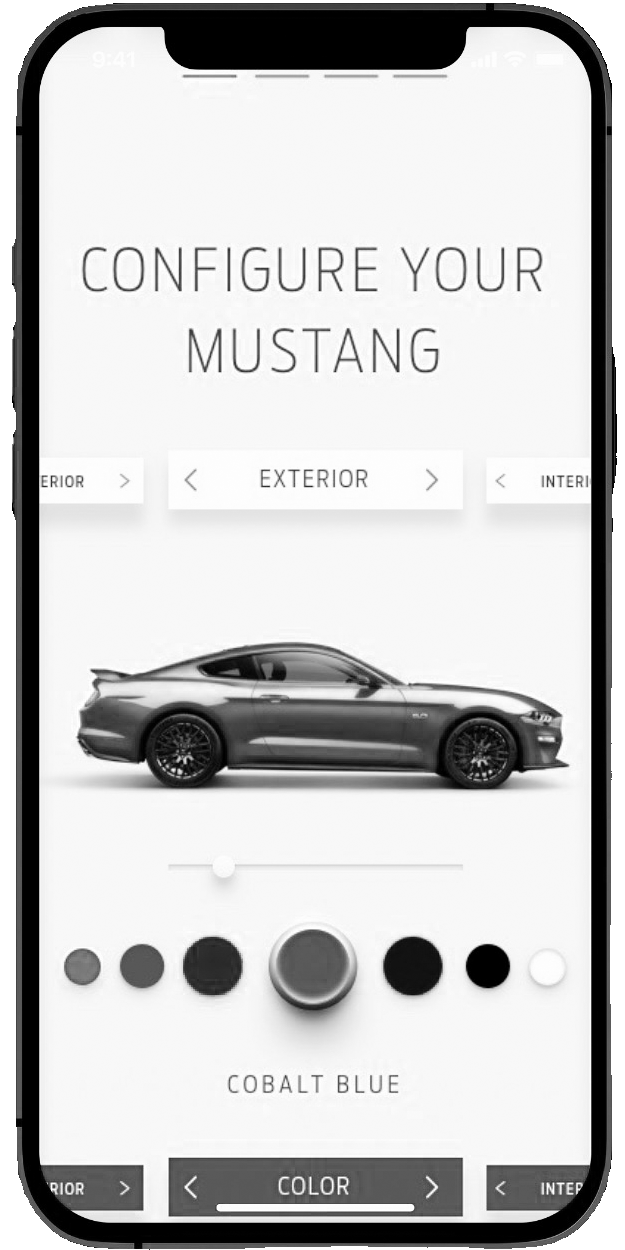
In mobility and HMI contexts, this matters more than anywhere else. When the surface is a moving vehicle — and the user's eyes need to be on the road — design decisions aren't preferences, they're commitments. AI compresses the distance between intent and artifact. Human judgment determines what earns trust.




// PRAISE
“Dean shreds. The guy has serious design chops, a heart of gold, and a working sensibility that is pretty much workaholic, though completely forgivable because he makes work fun, which is the classy way to do it. The man’s a catch.”
Jig-zèd dPa'wo | VML